.webp)

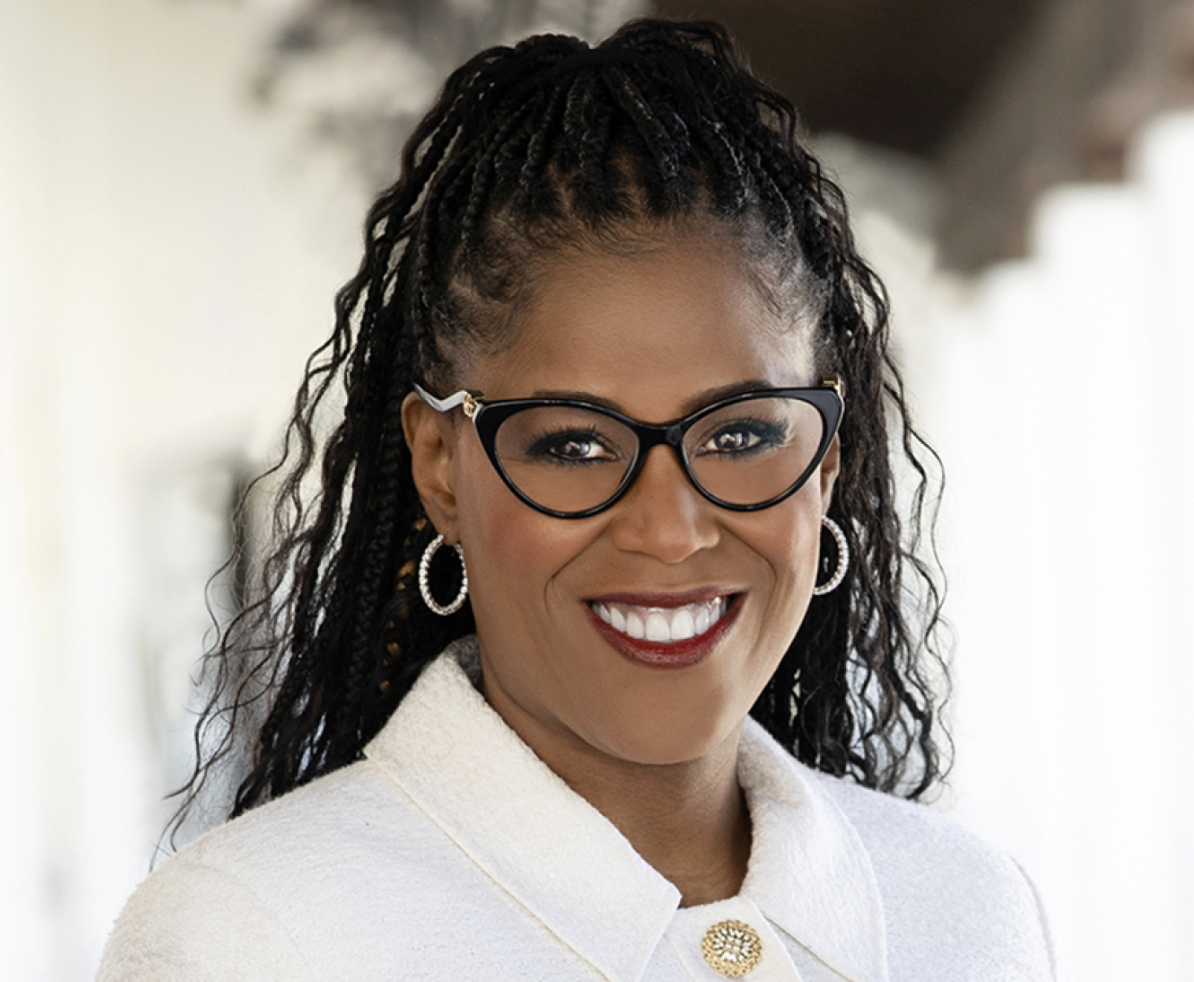
If you want people to tell you what they really think, simply asking for feedback isn’t enough—you have to earn their trust. In this episode, TIAA President and CEO Thasunda Brown Duckett shares practical ways leaders can get closer to their people, uncover perspectives they might otherwise miss, and create a culture where honest feedback and high expectations can coexist. Thasunda explains why leaders need to “get proximate,” how she uses small-group conversations to hear directly from employees throughout the organization, and why asking for the “counter-narrative” can improve decision-making. She also explores how vulnerability creates permission for others to bring more of themselves to work, why job titles shouldn’t limit someone’s contribution, and how leaders can guide people through the uncertainty created by AI. Along the way, she makes the case that if leaders want excellence, they first have to earn the right to demand it.
IN THIS EPISODE:
03:46 Talent, Opportunity and the Responsibility of Leadership
06:56 Why Leaders Need to Get Proximate
08:00 Unlocking Perspective, Not Just Expertise
09:57 Less Meetings, More “Jam Sessions”
11:50 Asking, “What Would You Do If You Were CEO?”
13:43 Earning the Right to Hear the Truth
17:10 Why Leaders Need to Share Their Story
18:46 Earning the Right to Demand Excellence
19:58 Leading People Through AI Change
24:54 Rethinking Work-Life Balance
WHY THIS CONVERSATION MATTERS:
The higher leaders move in an organization, the easier it becomes for information to be filtered before it reaches them. Thasunda offers a practical alternative: intentionally get close to people, create regular opportunities for candid input, respond well when they disagree, and follow through on what you hear. Her approach shows how listening and accountability can reinforce one another—helping leaders build cultures where people feel seen while still pursuing excellence.
KEY TAKEAWAYS:
- Create regular opportunities to hear directly from people beyond your immediate leadership team.
- Ask employees what they would change if they were leading the organization—and what they would protect.
- Don’t assume asking for feedback means people feel safe enough to give you the truth.
- Invite disagreement by asking, “What’s the counter-narrative?”
- Close the feedback loop by telling people what you heard and what you’re doing with it.
- Share enough of your own story to create permission for others to be honest about theirs.
- Look beyond someone’s current title for gifts, experience and perspective the organization can use.
- Connect expectations for excellence with clarity, trust and genuine investment in people.
- Lead technological change through the human and cultural implications, not only the technology itself.
- Evaluate competing life priorities over time rather than expecting perfect balance every day.
WHO THIS EPISODE WILL HELP:
- Senior leaders who suspect they aren’t hearing the whole truth from their organizations
- Leaders working to build a high-trust, high-accountability culture
- Managers who want employees to challenge ideas and surface problems earlier
- Leaders navigating AI adoption and significant organizational change
- Executives, pastors and nonprofit leaders trying to uncover underused talent on their teams
- High-capacity leaders managing competing responsibilities at work, home and in their communities
STANDOUT IDEAS:
- “What I can’t find is you.”
- “You have to unlock people’s perspective, not just their technical expertise, but their perspective.”
- “Less meetings, more jam sessions.”
- “Feedback is a gift, but it’s not a gift if you don’t unlock it.”
- “To get truth serum, you have to earn the right.”
- “If I’m going to say I want excellence, I have to earn the right to demand it.”
- “I don’t want you to be confined to your rented title.”
- “Work life balance, lie, live your life like a diversified portfolio and you’ll get to joy a lot.”
LINKS MENTIONED:
Thasunda Brown Duckett foundation
LISTEN:
Apple Podcasts | Spotify | YouTube
Related
Ep 210: What Leaders Miss About Motivation, Purpose and Progress
In this episode, GLN President and CEO David Ashcraft talks with Chris McChesney, author of The 4 Disciplines of Execution, about the difference between employee satisfaction and true engagement. Chris explains why people can have what looks like an ideal job and still feel disconnected from the work, while others can serve in demanding environments and remain deeply motivated. The difference often comes down to progress and purpose.
Ep 209: Communication, Candor and Trust
In this episode, Whitney Putnam and GLN President and CEO David Ashcraft talk about one of the most common leadership challenges: how to communicate with clarity, candor and care when the stakes are high. They unpack a real moment from a recent GLN all-staff meeting, where a public challenge created tension, required follow-up and ultimately helped sharpen strategy. Whitney and David explore why leaders often think they are being clear when others are hearing something different, how trust makes hard conversations possible, and why “keeping short accounts” can prevent tension from becoming toxic.
Ep 208: Leading When the Plan Falls Apart with Craig Groeschel
In this episode, David Ashcraft talks with Craig Groeschel, founder and senior pastor of Life.Church, about how leaders can respond when leadership does not go as planned. Craig reflects on failed ideas, organizational pivots, team conflict, and the ongoing discipline of letting go as leadership expands. He also shares how humility, preparation, prayerfulness, candor and trust have shaped the way he leads through uncertainty.
Leadership That Lasts
Team365 isn’t just a platform. It’s a commitment to grow, lead and live with purpose — every single day. Whether you’re here for content, community or clarity, you’re in the right place. Your leadership matters. Let’s keep going.